
By Bettina Carey
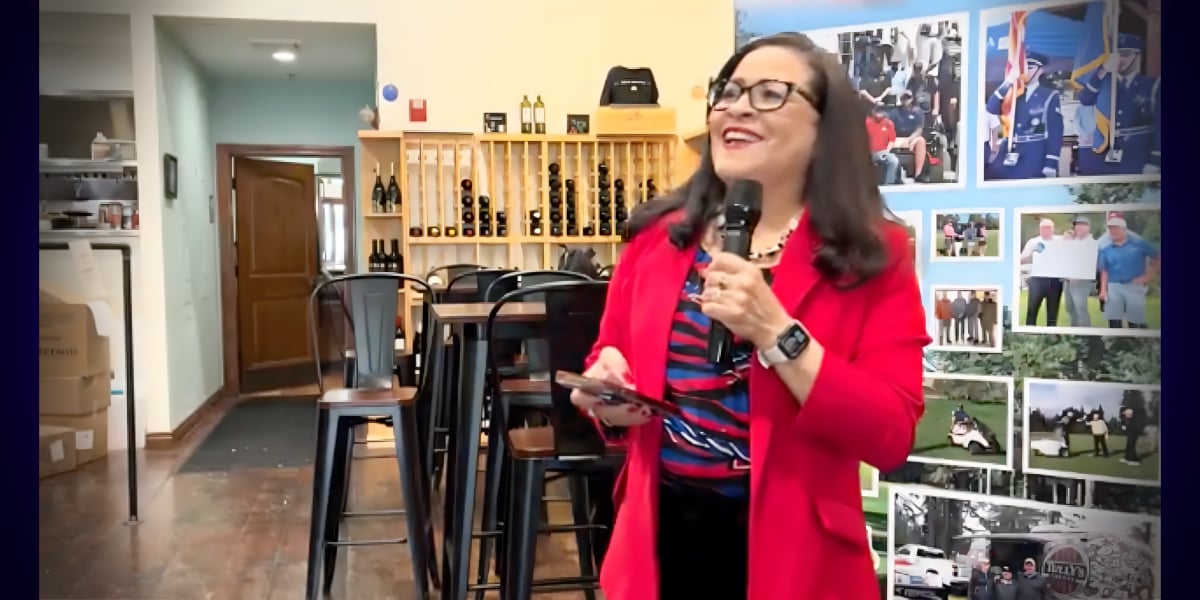
At a recent meeting of the Rotary Club of Des Moines / Normandy Park, community members gathered for a conversation about something many of us see every day—but may not always recognize the full power of: generosity.
The presentation, “Des Moines Means Business: How Communities Turn Generosity Into Movements,” explored a simple but important idea:
Communities never run out of generosity. They run out of ways to organize it.
A Community That Shows Up
The talk opened with a real-life example that resonated with many in the room.
Last fall, a local family faced a sudden domestic violence crisis and needed immediate legal support. Within just a few hours, friends and family came together online and raised $5,000.
No formal nonprofit.
No major campaign.
Just people responding when it mattered most.
It was a powerful reminder that generosity is already present in our community—it simply needs direction and structure to grow.
From Individual Acts to Collective Impact
Throughout the presentation, attendees were introduced to the concept of a Community Giving Ecosystem—a model that shows how businesses, nonprofits, volunteers, and residents each play a role in strengthening local impact.
Rather than competing for the same dollars and attention, organizations can work together to expand the overall pool of giving.
One example shared was a simple fundraising model:
- 100 people giving $100
- 10 businesses sponsoring at $5,000
- Community events and grassroots efforts contributing additional funds
Together, that can generate over $100,000 in community support.
Scale that across multiple organizations, and a city like Des Moines has the potential to generate over $1 million annually for local causes.
Real Examples Close to Home
The presentation highlighted several local and regional efforts that are already putting these ideas into practice:
- At the American Lake Veterans Golf Course, a volunteer-run nonprofit serving veterans, storytelling and community engagement helped grow annual donations from approximately $800,000 to over $1.2 million.
- The Des Moines Marina Oktoberfest brought together a small but dedicated team to host an event with around 1,000 attendees, raising funds for Lighthouse Northwest while also building long-term donor relationships.
- A monthly Sunday Supper Club has supported both international and local causes—raising funds for We EmPOWER Africa while also collecting food donations for the Des Moines Area Food Bank.
Each example demonstrated that fundraising doesn’t have to follow a single model. From events to memberships to grassroots campaigns, success comes from aligning strategy with community connection.
The Power of the First Follower
One of the most memorable moments in the presentation came from a short video by Derek Sivers illustrating how movements begin:

It shows a single person stepping forward—followed by one brave individual who joins in, making it easier for others to participate. From there, momentum builds quickly.
The lesson is clear:
Movements don’t grow because of one leader. They grow because others choose to follow.
In community fundraising, that “first follower” might be:
- The first donor
- The first sponsor
- The first volunteer
Their action signals to others that it’s safe—and meaningful—to join in.
Organizing What Already Exists
The takeaway from the presentation wasn’t that communities need more generosity.
It’s that they need better ways to organize the generosity that already exists.
When people can clearly see where their time, talent, or resources will make a difference, they are far more likely to step forward.
And when organizations collaborate instead of compete, the entire community benefits.
Moving Forward, Together
The conversation at Rotary reinforced something many in Des Moines already believe:
This is a community that shows up.
The opportunity now is to build structures, partnerships, and shared strategies that allow that generosity to grow even further.
Because when generosity is organized, communities don’t just function—
They thrive.
Video
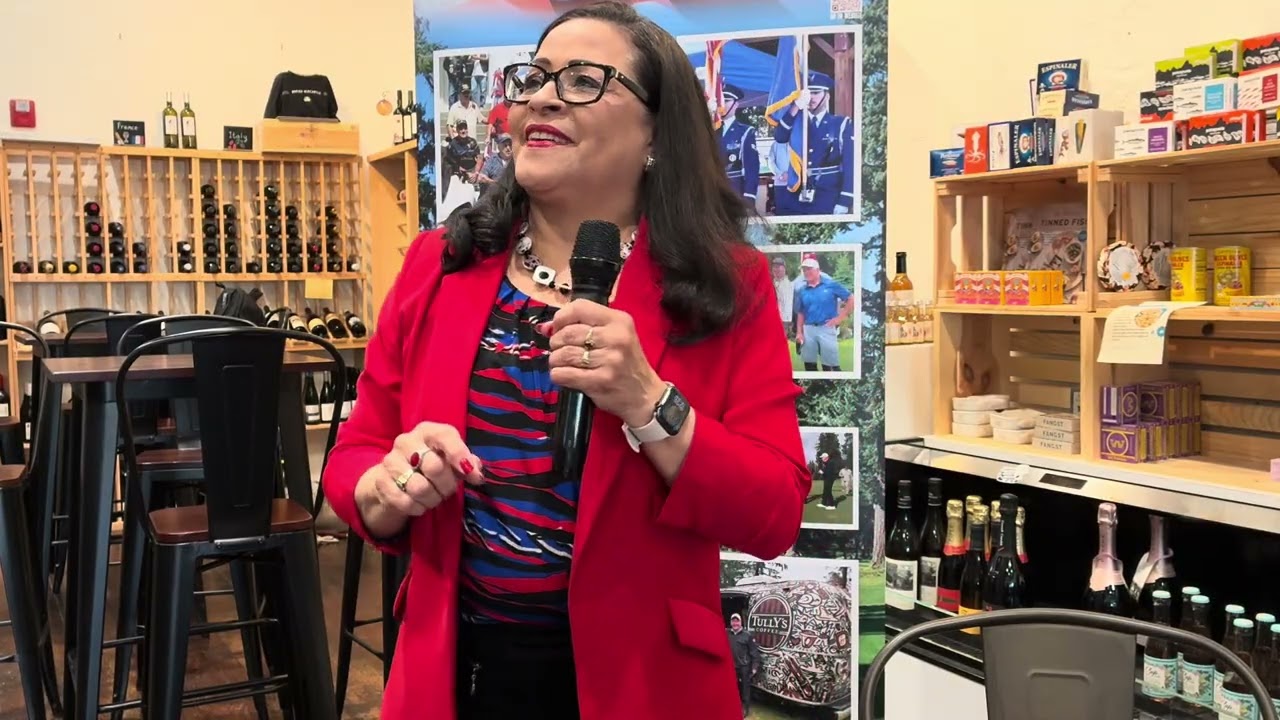
Watch video of Bettina’s presentation below:
View Bettina’s presentation slides here.